


Content Calendar Template
The Content Calendar Template helps marketing teams plan content, manage execution, and track performance all in one place.
-

Plan content campaigns and publishing schedules
-
Assign content tasks and manage workflows across teams
-
Track content progress from idea to publication
-
Connect content to performance and measurable results


Plan, Execute, and Track Content in One System
The content calendar template helps you plan content, manage execution, and track performance in one system.
This content calendar template replaces disconnected spreadsheets and tools with a single workflow that connects planning, execution, and performance tracking. You can manage content from idea to optimization without losing visibility or control.
Instead of static calendars that fall out of sync, you connect your content plan directly to execution and results.
You can assign work, track progress, and measure results in real time. Your team spends less time managing content and more time improving performance.
What Content Planning Actually Involves
Content planning isn’t just scheduling posts.
It includes:
Campaign alignment
Content creation workflows
Publishing timelines
Performance tracking
It also includes assigning ownership, managing deadlines, and tracking work across teams. Content does not move unless each stage is clearly defined and owned.
Most teams manage these in separate tools.
Planning happens in spreadsheets. Execution happens in task tools. Performance lives in analytics platforms.
This creates gaps between teams, slows down production, and makes it hard to understand what is working.
Why Content Calendars Break Down
Planning Is Disconnected From Execution: Content calendars live in spreadsheets. Work does not move automatically from plan to execution. Teams recreate tasks manually, which leads to delays and missed steps.
No Clear Ownership: Work gets stuck between stages. Without clear ownership, content sits in draft or review with no accountability. Deadlines slip, and campaigns stall.
Inconsistent Publishing: Teams fall behind schedule. Publishing becomes reactive instead of planned. Content goes live late or not at all.
Performance Isn’t Tracked: Content is published but not optimized. Teams cannot connect content to traffic, engagement, or conversions. It becomes difficult to improve results or justify investment.
Built for Real Content Workflows
Content teams don’t just plan; they produce, publish, and optimize.
This content calendar template helps teams:
Connect planning to execution
Track progress across content stages
Assign ownership
Maintain consistent publishing
You manage content as active work, not static plans. Each piece of content moves through defined stages with clear ownership and deadlines.
You can track content as tasks, monitor progress in real time, and keep work moving without switching tools.
What’s Included in the Content Calendar Template
Content Planning
Organize content by:
- Campaign
- Channel
- Format
- Timeline
Align content to campaigns and business goals, so every asset supports a clear objective.
Workflow Tracking
Track content through stages:
- Idea
- Draft
- Review
- Publish
Each stage is visible, so you always know where the content stands. This reduces bottlenecks and keeps production moving.
Ownership & Accountability
Assign clear owners.
Every piece of content has a defined owner and deadline. This removes confusion and keeps work on schedule.
Content Performance Tracking
Track:
- Engagement
- Traffic
- Conversions
Connect content performance directly to campaigns and see what drives results. Use that insight to improve future content.
Built to Solve Content Workflow Challenges
Content Delays: Keep work moving. Track progress across stages and remove bottlenecks before they impact deadlines.
Lack of Visibility: See content across stages. Get a complete view of your content pipeline from planning to publishing.
Disconnected Systems: Bring planning and execution together. Manage content in a single system rather than switching between spreadsheets, task tools, and analytics platforms.
No Performance Feedback: Connect content to results. Understand which content drives engagement, traffic, and conversions so you can improve output over time.
Example Content Workflow
1. Plan Content:
Add topics, campaigns, and timelines. Align content with marketing goals and campaign priorities.
2. Assign Work:
Define owners and deadlines. Create tasks and assign responsibility so work moves forward.
3. Track Progress:
Monitor content stages. See where each asset is and identify delays early.
4. Publish:
Ensure consistent output. Keep publishing on schedule with clear timelines and accountability.
5. Optimize:
Use performance data to improve. Adjust your strategy based on what performs.
Why This Content Calendar Template Is Different
Most tools plan content and track schedules.
Slingshot connects:
- Planning
- Execution
- Performance
This content calendar template turns your plan into an active workflow.
You can manage content as tasks, track progress in real time, connect content to performance data, and view results in dashboards.
Your team does not just stay organized; it thrives. You produce content faster and improve results with every cycle.
Who This Template Is For
- Content Teams: Plan and publish consistently. Manage content from idea to publication without losing visibility.
- SEO Teams: Align content with strategy. Track how content supports rankings, traffic, and search performance.
- Marketing Teams: Track performance and improve output. Connect content to campaigns and measure impact across channels.
Frequently Asked Questions
A content calendar template helps teams plan, schedule, and track content. It also helps manage workflows, assign ownership, and connect content to performance data.
A content calendar template should include:
- Campaign planning
- Content scheduling
- Workflow stages
- Ownership and deadlines
- Performance tracking
These elements help you manage content from idea to results.
A spreadsheet lists content. A content calendar template helps you assign tasks, track progress, manage workflows, and connect content to performance. It reduces manual work and keeps your process aligned.
Track metrics such as engagement, traffic, and conversions. Connecting content to these metrics helps you identify what works and improve results.
By organizing content, assigning ownership, and tracking execution. High-performing teams connect planning to execution and measure results to improve over time.
They fail when planning is disconnected from execution, ownership is unclear, workflows are not defined, and performance is not tracked.
Yes. It helps plan keyword-driven content, align with SEO strategy, and track performance by page or topic.
Boost Team Results with Ready-to-Use Templates
Explore our collection of ready-to-use templates, carefully crafted to cater to the needs of multiple use cases and departments. Save time and effort by trying out the template that suits your workflow best. It only takes a few clicks to get started.
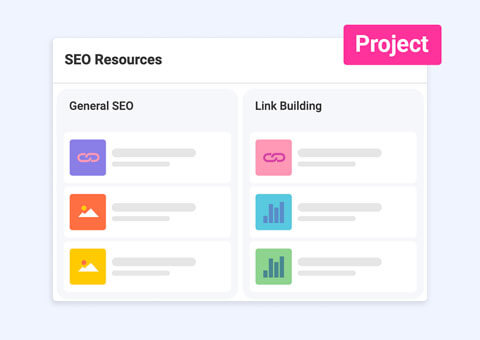
SEO Management Template
Manage and follow up on your SEO projects with this dashboard and project template.
Marketing KPI dashboard template
Track marketing performance, monitor pipeline impact, and act on campaign insights in real time.
Paid Social Media
Organize effortlessly and manage your paid social media content while tracking performance from all platforms in one view.
Salesforce Pipeline
Get a holistic view of your sales opportunities and pipeline data and make decisions on the go.
Coordinate Your Content Production with Ease
The best way to plan and organize your content and track its performance across channels and campaigns.
Use Template Use Template Use Template